The Ultimate Showdown: D Series 4K 2016 vs P Series Quantum 2020 for 2026
When considering a TV purchase in 2026, buyers often weigh longevity, picture quality, and value. Two models that frequently surface in the used and budget markets are the D Series 4K from 2016 and the P Series Quantum 2020. The D Series represents a straightforward, affordable entry into 4K, while the P Series Quantum sits closer to a high-value, performance-oriented option from a later generation. This article compares both across real-world use cases—streaming, gaming, sports, and home theater—so prospective buyers can make an informed choice.
Quick model overviews
D Series 4K (2016) — what it was designed for
The D Series 4K from 2016 was built to bring native 4K resolution to budget-conscious consumers. It focused on delivering a crisp resolution for streaming services and UHD content without the higher-end features that add cost. Typical strengths include straightforward picture processing, acceptable upscaling for HD sources, and decent smart features for the era. Typical sizes targeted common living-room options, and the model often appears on the market as an affordable replacement TV or a second set for bedrooms and smaller spaces.
P Series Quantum (2020) — positioning and intent
The P Series Quantum (2020) arrived as a more premium offering with quantum-dot-enhanced color, improved backlighting systems, and more advanced picture processing. It was aimed at buyers who wanted near-premium color performance and brighter HDR highlights without paying flagship prices. In practical terms, that meant better performance in HDR content, more accurate colors for movies and gaming, and features that supported more demanding viewing scenarios like bright-room watching and competitive gaming.
Detailed product analysis
Picture quality and panel technology
D Series 4K 2016: The D Series uses a standard LED-LCD panel with a conventional LED backlight. Color reproduction is serviceable for SDR content and older HDR material, but its color volume and peak brightness are limited compared with later quantum-dot or full-array local dimming designs. Blacks tend to be grayer in dim scenes, and blooming around bright objects is more noticeable. Upscaling from 1080p is acceptable for casual viewing but won't hide compression artifacts on close inspection.
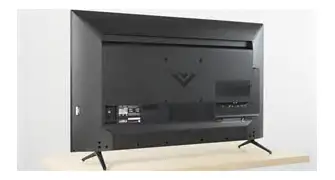
P Series Quantum 2020: The P Series Quantum leverages quantum-dot material to expand color gamut and enhance color saturation, especially in bright highlights. It typically features a more sophisticated backlight — whether edge-lit with local dimming zones or a more advanced full-array system in larger sizes — which improves contrast and HDR impact. For movie nights and HDR content, the P Series delivers more convincing highlights, richer colors, and better perceived depth.
HDR and color handling
The P Series shows a clear advantage for HDR viewing: broader color gamut, more impactful specular highlights, and generally better tone mapping. The D Series will display HDR content, but with muted effect due to limited brightness and color volume. For users who prioritize HDR streaming (Netflix, Disney+, Prime Video) or HDR gaming, the P Series offers a noticeably better experience.
Motion handling and sports
Both models handle typical TV motion well enough for casual sports watching. The P Series usually has crisper motion due to improved processing and sometimes higher native refresh rates on certain size variants. The D Series can exhibit more motion blur at high-motion scenes and may rely on post-processing to reduce judder—often at the expense of added artifacts.
Discover deals on TVs & Home Theater — updated daily.
Browse Now →Input lag and gaming
Gaming concerns in 2026 include low input lag, support for modern consoles, and features like low-latency modes and variable refresh rates (VRR). The P Series 2020 was nearer to the modern gaming feature set at the time—lower input lag and gaming-optimized modes—so it remains a reasonable choice for console play. It may not have native HDMI 2.1 bandwidth required for 4K120 gaming or features introduced in later consoles, but for 4K60 and competitive casual play it performs well. The D Series 2016 is functional for gaming but typically exhibits higher input lag and lacks VRR, making it less ideal for fast-paced competitive gaming.
Smart platform and usability
Both models include built-in smart platforms appropriate to their release windows. The D Series from 2016 offers the basics: native apps for major streaming services of the time and a simple interface. The P Series 2020 benefits from a more refined platform with broader app support and smoother navigation. In practice, both still allow access to major streaming content in 2026, though the P Series is less likely to encounter app compatibility issues and may have received updates later into its lifecycle.
Audio, build quality, and design
On-board audio in both models was designed for typical TV use—dialog clarity and midrange presence are fine for news and casual viewing. The P Series generally has better tuned speakers and sometimes more bass authority, but neither model replaces a soundbar for a true home-theater audio experience. Build quality and bezels improved from 2016 to 2020: the P Series typically looks more modern and feels sturdier, while the D Series is utilitarian.
Pros & Cons
D Series 4K 2016
- Pros: Affordable on new/used market; reliable 4K resolution for streaming; low-power design; simple, no-fuss interface for casual users.
- Cons: Limited HDR performance; narrow color gamut and lower brightness; higher input lag for modern gaming; fewer software updates over time.
P Series Quantum 2020
- Pros: Improved color accuracy and wider gamut thanks to quantum dots; stronger HDR performance; better contrast and local dimming behavior; lower input lag and more modern smart features.
- Cons: Typically more expensive (even used); may lack the very latest HDMI 2.1 features on some configurations; larger models may be heavier and require thoughtful mounting.
Side-by-side comparison
| Feature | D Series 4K (2016) | P Series Quantum (2020) |
|---|---|---|
| Release year | 2016 | 2020 |
| Panel technology | Standard LED-LCD | Quantum-dot enhanced LED-LCD |
| Color & HDR | Basic HDR, limited color volume | Stronger HDR handling, wider gamut |
| Backlight | Edge/Direct LED, no advanced local dimming | Edge or full-array with local dimming (depending on size) |
| Gaming features | Basic, higher input lag | Lower input lag, gaming mode; limited HDMI 2.1 availability |
| Smart platform | Legacy smart TV platform (apps from release era) | Refined platform with broader app support |
| Audio | Basic TV speakers | Improved built-in speakers, better tuning |
| Best use case | Budget bedrooms, secondary TVs, casual streaming | Primary living room, movie nights, HDR streaming, casual gaming |
Real-world use cases: who should pick which?
Streaming-focused viewers
For someone whose primary use is streaming 4K movies and TV shows in HDR, the P Series Quantum 2020 is the better match. It renders HDR highlights and color more convincingly and creates a more cinematic image. The D Series will display 4K content cleanly but won’t deliver the same sense of depth or vibrancy.
Casual viewers and secondary rooms
For bedrooms, kitchens, or guest rooms where budget and practicality matter most, the D Series 2016 can be perfectly adequate. It fulfills the basic expectation of sharper resolution over HD TVs, and if the viewing distance is moderate and ambient light is present, its limitations become less noticeable.
Gamers
Competitive gamers in 2026 will prefer displays with the lowest possible input lag and, when needed, support for features like VRR and higher refresh rates. The P Series 2020 offers lower input lag and gaming-friendly features compared to the D Series, making it a preferable option for console gaming at 4K60. Serious players using next-gen consoles at 4K120 should verify HDMI bandwidth and VRR support before committing.
Bright-room vs dark-room viewing
Rooms with lots of daylight favor brighter panels with anti-reflective treatments; the P Series’ higher color volume and brightness handle such environments better than the older D Series. For dark-room home-theater setups, the P Series’ improved contrast and local dimming deliver deeper blacks and more pleasing HDR visuals.
Find top-rated TVs & Home Theater products at great prices.
See Deals →
Buying guide: practical advice for 2026 shoppers
When choosing between these models in 2026, consider the following checklist:
- Budget and value: Determine how much one is willing to spend. The D Series will be significantly cheaper in the used market, while the P Series commands higher prices but better performance.
- Intended use: Prioritize picture quality for movies or gaming features for console play. For mixed use, the P Series is the more versatile option.
- Screen size and viewing distance: Match screen size to room dimensions. A larger P Series model will benefit shared living spaces, while a smaller D Series is appropriate for intimate spaces.
- Inputs and future-proofing: Check HDMI ports and their versions. For those using modern consoles or wanting to keep the TV for many years, ensure adequate HDMI bandwidth and convenient port placement.
- Firmware and app support: Ask about software update history. A 2016-era D Series may have reached the end of major platform updates, which could limit app availability over time.
- Panel condition and burn-in risk: Inspect used sets for panel uniformity, brightness degradation, or stuck pixels. While LCDs are less prone to burn-in than OLEDs, uneven backlight wear and age-related issues matter.
- Calibration and settings: Know that out-of-the-box settings often favor punchy colors. If accuracy matters, budget for a basic calibration or use built-in picture settings that approximate natural color.
- Warranty and return policy: Especially with older or used sets, check any remaining manufacturer warranty or seller return windows to avoid surprises.
Buying used vs new
In 2026, availability of new units for these legacy models will be limited; most purchases are likely used or refurbished. When buying used, test the TV in person if possible: view both dark and bright scenes, test inputs, and ensure the smart platform boots correctly. Refurbished units with a short warranty strike a nice balance between value and peace of mind.
Accessories and upgrades to consider
- Soundbar: Both models benefit from an external soundbar for movies and sports.
- Streaming stick or media player: If app support is a concern, an up-to-date streaming dongle will modernize the smart experience.
- Wall mount: Use a low-profile mount for living-room setups, and confirm VESA compatibility before purchase.
Final verdict
Choosing between the D Series 4K 2016 and the P Series Quantum 2020 in 2026 comes down to priorities. The D Series remains a pragmatic, low-cost way to get native 4K into secondary rooms or for buyers who mainly watch SDR content and accept modest HDR performance. The P Series Quantum from 2020, on the other hand, continues to offer substantially better color reproduction, HDR impact, and gaming-friendliness—making it the more future-resistant and enjoyable option for a primary TV in a living room or home theater.
For shoppers who prioritize cinematic picture quality and a richer HDR experience, the P Series Quantum 2020 is the recommended pick. For those balancing a tight budget, seeking a functional secondary TV, or upgrading from a 1080p set without wanting premium features, the D Series 2016 still provides solid value. Weigh usage patterns, room conditions, and the likelihood of needing modern gaming or app support when making a decision, and inspect any used unit carefully before purchase.
Ultimately, each model has a place: the D Series as an economical workhorse, and the P Series Quantum as a performance-oriented choice that ages more gracefully. In 2026, choosing the right one means matching the TV’s strengths to how it will be used, not simply chasing the newest label.